
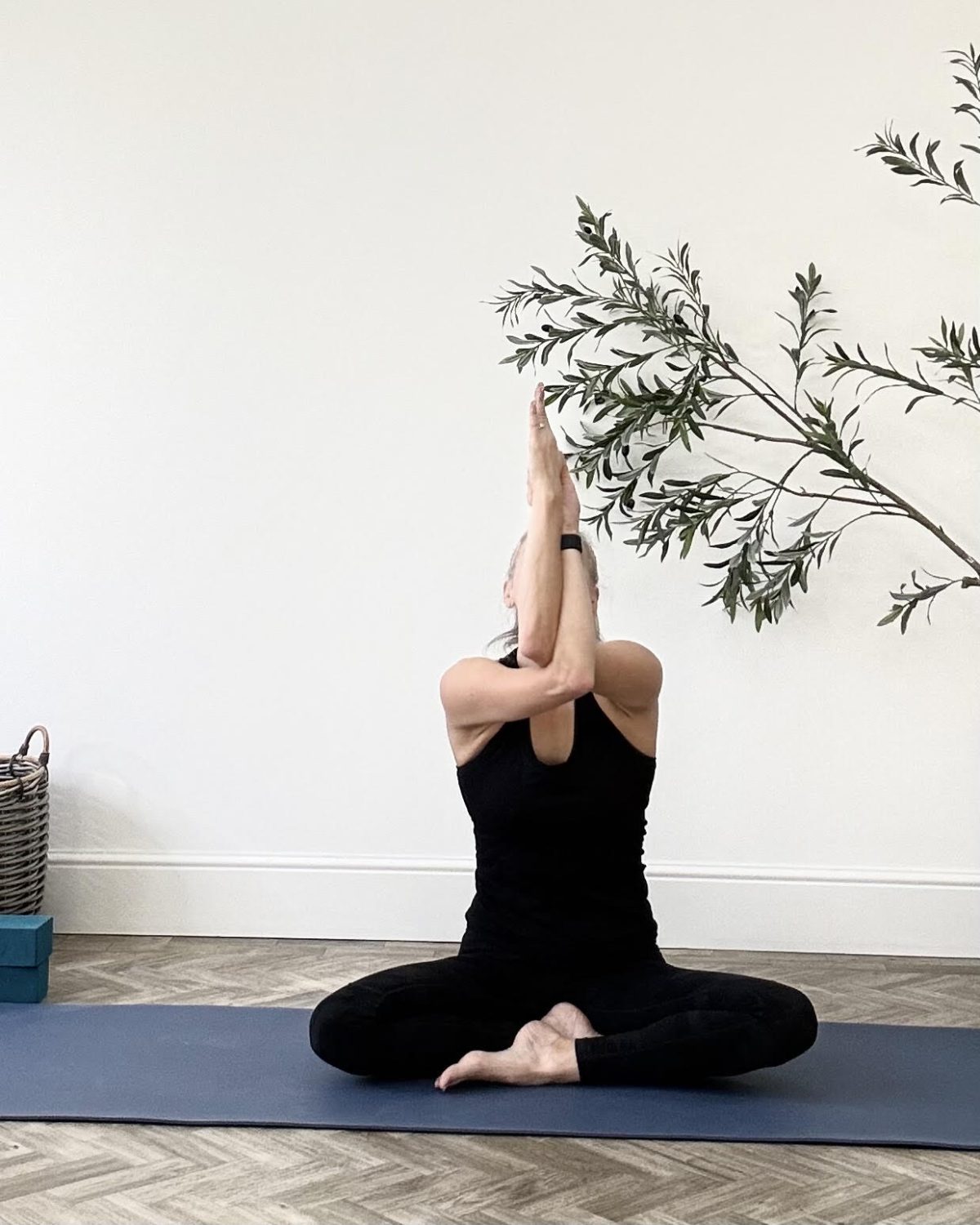
Both offer a slower approach to yoga, but the experience can be quite different. Here’s how movement and stillness each have something to offer.
By Thursday, you can feel the week in your body.
Shoulders creeping up towards your ears. A stiff lower back. Hips that remind you how much time you have spent sitting. Or maybe the tension is less physical and you just feel as though you have been on the go for days.
You know some yoga would help. But do you need to move and loosen up, or would you be better off slowing right down and keeping still?
The two can look similar from the outside. In practice, they are quite different.
Slower Doesn’t Mean the Same Thing
We tend to picture yoga as a flow of postures linked by the breath. But yoga does not have to involve constant movement, and slowing down does not mean doing less.
Some slower practices use steady, unhurried movement. Others hold a single posture for several minutes. Neither is better. They just feel different.
That is the thinking behind my two Thursday classes, Wind Down and Deep Stretch Yin. Both involve stretching, breathing and rest. The way we get there is not the same.
Wind Down: Easing Out Through Movement
A body that has spent the day in the same few positions often feels better for moving.
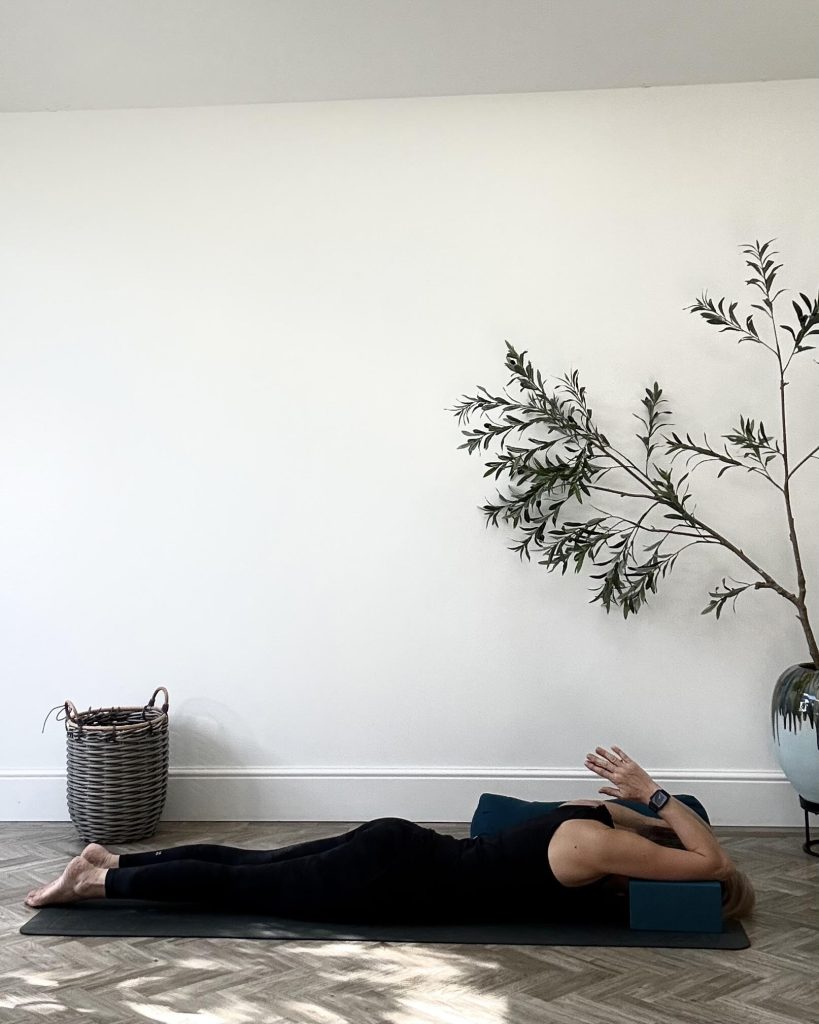
Wind Down uses slow, straightforward movements to work on the stiff spots. We might circle the shoulders, move through the spine, stretch the sides of the body or try different ways of opening the hips.
We spend time in each stretch before moving on, rather than settling into the longer holds you would find in Yin. There is a mix of movement and stillness, and the pace stays unhurried, with time to explore each movement.
Each week has a different focus. One week might be shoulders and upper back, another hips and legs. We always finish with time to settle, breathe and rest.
Why Movement Feels Good
Bodies like variety. After a long spell in one position, changing shape and moving through a comfortable range can help us feel less restricted.
Moving also shows you how you feel that day. One shoulder might move more freely than the other. Your hips might feel different from last week. A movement that felt awkward at first might ease after a few repetitions.
None of this is necessarily a problem to fix. It is just information. A slower practice gives you time to notice it rather than rushing past.
Yin Yoga: Staying Put
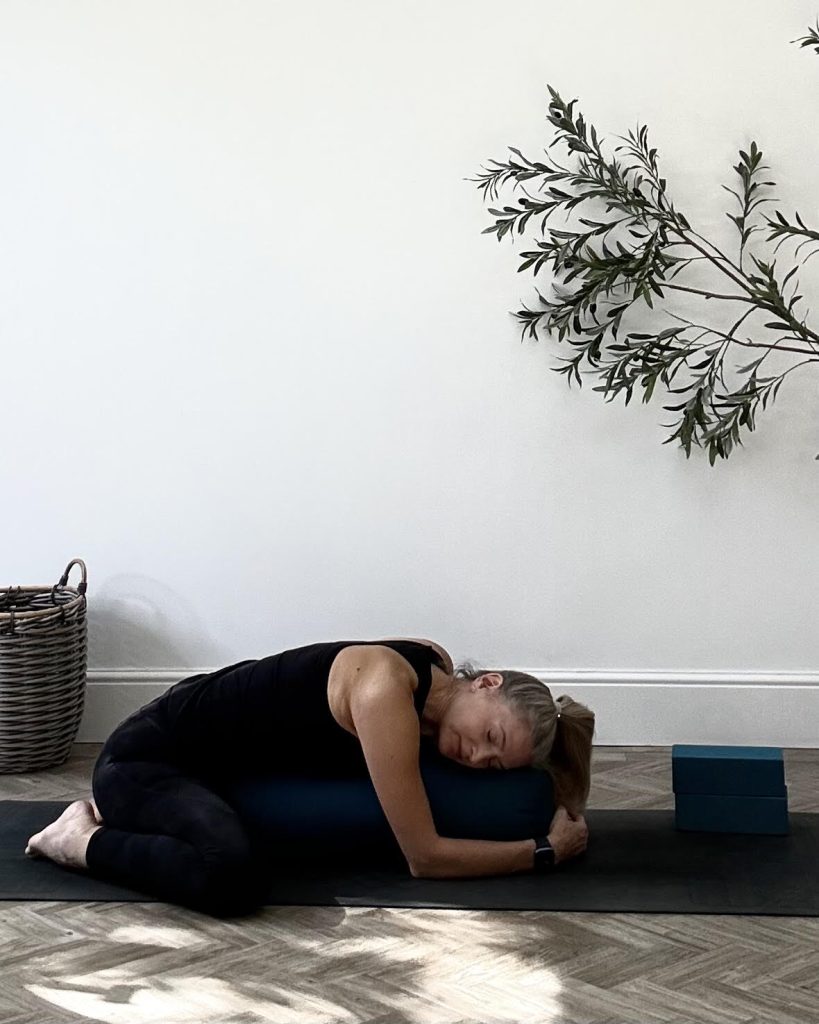
Yin works differently. We move into a shape and stay there, usually for three to five minutes.
Most postures are on the floor, sitting or lying down. Bolsters, bricks and blankets help support the body so you can find a position that feels comfortable enough to maintain.
Once you find a level of sensation you can stay with, you breathe and notice what happens.
Staying does not mean ignoring discomfort. You can adjust or come out whenever you need to. Learning the difference between a manageable stretch and something that does not feel right is part of the practice.
Why Hold Postures for Longer?
Yin is often associated with working with connective tissues, including fascia. But the benefits of longer-held stretches are not limited to these tissues. We are also exploring sensation, range of movement and how we respond to being still.
Holding a posture for several minutes feels different from repeatedly moving in and out of a stretch.
The aim is not to push further as the minutes pass. You use time, appropriate positioning and manageable sensation, then notice how your body responds.
An area might gradually ease, or it might stay much the same. Both are fine.
Going deeper does not mean getting more from it. In Yin, patience is often more useful than effort.
What Stillness Is Like
There is another side to Yin that photographs of the postures do not show.
When you stop moving, you notice more. Your breathing, the sensations in your body, how busy your head is.
Sometimes that feels peaceful. After a long day, it can feel surprisingly difficult to settle. You might find yourself thinking about jobs at home, planning tomorrow or wondering how long is left in the posture.
That is normal.
You are not trying to empty your mind or force yourself to relax. You are simply noticing what is going on without needing to react to every thought.
Over time, you may find yourself becoming more comfortable with doing a little less.
And for anyone who is used to being busy, that can be quite a change.
Which Is Better for Flexibility?
I get asked this a lot.
Both practices can help with flexibility and mobility, but in different ways.
In Wind Down, we move the joints through different ranges, which helps us stay familiar with how our bodies move. We also explore stretches through movement and shorter holds.
In Yin, we spend longer in each position, giving ourselves time to experience and respond to the sensation of stretching.
Neither is a shortcut to becoming more flexible.
Flexibility depends on many things, including your anatomy, strength, activity levels and how often you move.
It is also not the only goal.
Moving comfortably, feeling confident in your body and getting on with daily life matter far more than achieving a particular shape on a yoga mat.
And What About Relaxation?
Both practices can help you relax, but they get there differently.
For some people, moving is what helps them unwind. Stretching and moving through familiar postures can help mark the transition from work to evening.
Others find they settle better with longer periods of stillness.
Sometimes the thing you find hardest is the thing you would most like to practise.
If you struggle to sit still, Yin gives you a place to explore that. If you are tired in your head but restless in your body, an hour of unhurried movement might suit you better.
There is no single answer.
Relaxation is not something you can demand of yourself, and yoga does not have to leave you feeling brand new to be worthwhile.
Sometimes feeling a bit more comfortable, or having an hour without distractions, is enough.
A Note on My Thursday Classes
I teach both classes at Houlton School in Rugby.
Wind Down | Thursdays, 6.00–7.00 pm
A slower, movement-based class with straightforward postures, stretching, breathing and relaxation. Suitable for beginners and all levels.
Deep Stretch Yin | Thursdays, 7.15–8.30 pm
A quieter, mostly floor-based practice with longer-held postures, props and time for stillness. Suitable for all levels, including beginners.
If you are not sure which would suit you, just ask. I am always happy to help.
There is no single right way to slow down. Sometimes you find what you need through movement, and sometimes by being still.
Ready to Find Your Thursday Evening Practice?
Whether you prefer to move and stretch or settle into stillness, there is a place for you on the mat.
Both classes run on Thursday evenings at Houlton School, Rugby, with new blocks starting on 5 November.
First class trial pass is £5.
Not sure which class is right for you? Feel free to get in touch. I am always happy to help.